
Best Acne-Prone Sunscreens – 2026 Reviews

A sunscreen that works for acne-prone skin has to do two jobs at once: protect against UVA/UVB without triggering the very breakouts you’re trying to calm. That’s a taller order than it sounds. Many formulas go heavy on emollients, leave a shiny film, or pill under makeup, which is exactly why so many daily SPF bottles get abandoned halfway through.
The useful split in this category isn’t brand loyalty; it’s formulation intent. You’ll see oil-free chemical screens built for shine control, mineral zinc formulas designed for sensitivity, and tinted or tone-adapting options that double as coverage. The acne-prone label matters because it should signal non-comedogenic testing, a lighter carrier, and ingredients that don’t aggravate an already reactive barrier.
We looked across major brands for formulas that make daily reapplication realistic, not just photogenic. The picks below range from budget-friendly pharmacy staples to premium mineral and treatment-led options, with notes on finish, white cast, eye comfort, and how each behaves under makeup.
Best Acne-Prone Sunscreens – 2026 Reviews

UV Clear Blemish-Prone SPF 50 – Niacinamide-Powered Daily Defense
A lightweight zinc oxide sunscreen built specifically for acne-prone and sensitive skin. The untinted formula aims to protect without clogging pores, while niacinamide supports oil control and post-acne marks.

RESIST Hydrating Fluid SPF 50 – Lightweight Oil-Free Protection
An ultra-light, oil-free SPF 50 fluid with a satin-matte finish. It’s designed for combination, oily, and breakout-prone skin, with chamomile and vitamin E for antioxidant support.

Ultra-Light Moisturizing Lotion SPF 30 – Ceramide-Rich Daily Defense
A non-greasy daily moisturizer with broad-spectrum SPF 30, three essential ceramides, and hyaluronic acid. It’s built for lightweight hydration and a matte finish, with acne-prone and oily skin in mind.

Clear Skin Face Sunscreen SPF 50 – Oil-Absorbing Matte Finish
A fragrance-free SPF 50 facial sunscreen with oil-absorbing minerals and a dry-touch finish, developed for oily and acne-prone skin. It’s designed to protect without clogging pores or causing breakouts.
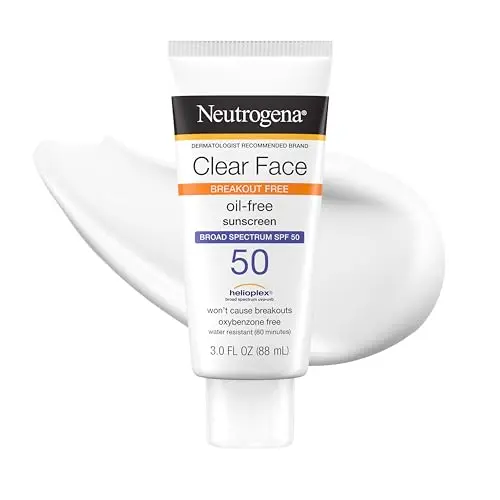
Clear Face Sunscreen Lotion SPF 50 – Breakout-Friendly Daily Protection
A lightweight, oil-free SPF 50 lotion made for acne-prone and sensitive skin. It’s non-comedogenic, oxybenzone-free, and water-resistant for active days.

Anthelios Melt-In Milk SPF 60 – Fast-Absorbing Face and Body Protection
A fast-absorbing SPF 60 face and body sunscreen with a velvety texture and Cell-Ox Shield antioxidant technology. It’s water-resistant and formulated for sensitive skin.

No Cast Just Glow Collagen SPF 50 – Hydrating Korean Sunscreen
A lightweight Korean sunscreen with SPF 50, collagen, peptides, cica, and niacinamide. It’s designed to hydrate without white cast and leave a glowy finish that works under makeup.

Total Protection Face Shield Flex SPF 50 – Tone-Adapting Mineral Coverage
A 100% mineral zinc oxide SPF 50 with tone-adapting color that starts white and blends into a demi-matte, buildable tint. It’s water-resistant and free from chemical sunscreen filters.

Invisible Mineral Sunscreen SPF 50 – Zinc Oxide for Sensitive Skin
A mineral SPF 50 face sunscreen with zinc oxide, niacinamide, vitamin E, and three essential ceramides. It’s designed to be invisible on all skin tones and suitable for sensitive, acne-prone skin.
How We Evaluated These Acne-Prone Sunscreens
We didn’t run dermatologist-supervised patch testing or multi-week wear trials. We didn’t measure sebum production in a lab or track breakouts over a full skin cycle. What we did: cross-referenced 9 sunscreen formulas from 8 brands across six decision axes – broad-spectrum SPF level, non-comedogenic and oil-free formulation, finish and white-cast risk, layering under makeup, supporting ingredients like niacinamide and ceramides, and water resistance. We triangulated published specifications, ingredient lists, and owner feedback where available, then mapped each formula to realistic acne-prone skin scenarios: oily T-zones, sensitive cheeks, post-acne marks, and daily makeup wear. We also weighed how each formula behaved under typical morning routines and whether the finish felt realistic for oily or combination skin.
The scoring framework weighted real-world fit (70%) – how livable each sunscreen is for daily use on acne-prone skin – against feature differentiation (30%) – standout ingredients, mineral versus chemical positioning, and finish advantages. We also audited claims like non-comedogenic and fragrance-free against each product’s published information rather than taking them at face value. We have no commercial relationship with any of the brands featured; recommendations track fit and differentiation, not brand preference. If your priority is blemish-prone skin with post-acne marks, the EltaMD UV Clear is the most complete match; if you want a lighter makeup-friendly texture, the Paula’s Choice RESIST Hydrating Fluid is the more elegant daily option.
How to Choose the Right Acne-Prone Sunscreens
1. Start With Non-Comedogenic Sunscreen Labels
The first filter for any daily sunscreen is the label: non-comedogenic, oil-free, and ideally fragrance-free. Those terms aren’t guarantees, but they signal the formula was designed with clogged pores and reactive skin in mind. A broad-spectrum SPF 30 is the daily baseline; higher SPF helps if you’re outdoors for longer stretches or reapplying less often.
Don’t confuse a matte finish with a harsh formula. The best daily sunscreens for acne-prone skin balance sebum control with barrier support, so skin doesn’t feel tight or stripped by midday. If your skin is oily but dehydrated, a lighter lotion texture usually beats a thick cream.
2. Chemical vs. Mineral Sunscreen for Acne-Prone Skin
Chemical filters often feel lighter and disappear faster, which is why many oil-free chemical sunscreens are popular for oily skin. Mineral formulas built on zinc oxide can suit sensitive, reactive skin, but older versions were prone to white cast and heavier texture. Newer invisible mineral sunscreens have narrowed that gap, though shade match still matters on deeper skin tones.
Neither type is automatically better for breakouts. Look for non-comedogenic testing and a texture you’ll actually reapply. If makeup is non-negotiable, a fluid chemical formula or a finely milled mineral primer-style product tends to layer more predictably.
3. How SPF, Finish, and White Cast Affect Daily Wear
SPF is only useful if you wear enough and reapply. A matte or satin finish helps oily skin feel comfortable, but overly drying formulas can trigger more oil later. White-cast risk is the other daily-wear dealbreaker, especially with mineral filters and tinted formulas that skew too warm or too dark.
For acne-prone skin, the sweet spot is a lightweight lotion or fluid that sinks in quickly and doesn’t pill under foundation. If you use actives like benzoyl peroxide or retinoids, your skin may be drier than usual, so a formula with ceramides or hyaluronic acid can make daily SPF more tolerable.
4. Ingredients That Support Acne-Prone Skin
Treatment-led sunscreens can earn a place in an acne-prone routine. Niacinamide is the standout: it can help regulate oil and visibly fade post-acne marks while supporting the barrier. Ceramides and hyaluronic acid are useful if your actives leave skin tight or flaky. Antioxidants are a bonus, not a substitute for broad-spectrum protection.
If blemish control is the main goal, the EltaMD UV Clear pairs transparent zinc oxide with niacinamide and is built specifically for acne-prone and sensitive skin. For a lighter everyday texture, the Paula’s Choice RESIST Hydrating Fluid uses chamomile and vitamin E in an oil-free SPF 50 base.
5. Layering Sunscreen Under Makeup Without Pilling
The best acne-prone sunscreen is the one you don’t dread applying. Look for a texture described as makeup primer-friendly or fast-absorbing, and give it a minute to set before foundation. If a formula pills, it’s often because too many silicone-heavy layers are fighting each other, not because the sunscreen itself is bad.
For makeup wearers who want a lighter base, the Paula’s Choice RESIST Hydrating Fluid has a satin-matte finish that sits well under foundation. If you prefer a mineral formula, choose one with a flexible tint or a truly sheer finish rather than a heavy cream.
6. Water Resistance and Reapplication for Active Days
If you sweat, swim, or spend long hours outside, water resistance matters more than a cosmetically elegant finish. No sunscreen is truly sweat-proof, so reapplication every two hours – or after toweling off – is still the rule. For acne-prone skin, a lightweight stick or fluid designed for the face is usually easier to reapply without disturbing makeup or clogging pores.
At the end of the day, double cleansing helps remove tenacious sunscreen and prevents residue from becoming a breakout trigger. A gentle cleanser followed by a second cleanse only if needed is enough for most routines.
Frequently Asked Questions
1. What makes a sunscreen safe for acne-prone skin?
The useful signals are non-comedogenic, oil-free, and fragrance-free labeling, plus a texture that doesn’t feel occlusive. A broad-spectrum SPF 30 or higher is the daily baseline. Ingredients like niacinamide or ceramides can help, but they don’t replace consistent reapplication.
2. EltaMD UV Clear vs. Paula's Choice RESIST: Which suits oily, acne-prone skin better?
Both are strong daily options, but they solve slightly different problems. The EltaMD UV Clear is the more treatment-led pick, with 5% niacinamide, transparent zinc oxide, and a non-comedogenic profile that suits blemish-prone skin and post-acne marks. The Paula’s Choice RESIST Hydrating Fluid is lighter and more makeup-friendly, with an oil-free SPF 50 base and a satin-matte finish.
Choose EltaMD if you want oil control and blemish support in one step; choose Paula’s Choice if elegance under foundation matters more than treatment ingredients.
3. CeraVe Ultra-Light vs. Eucerin Clear Skin: Which controls shine better?
The CeraVe Ultra-Light Moisturizing Lotion SPF 30 leans on three essential ceramides and a matte finish, making it a gentle daily option for oily-but-dehydrated skin. The Eucerin Clear Skin Face Sunscreen SPF 50 goes harder after shine with oil-absorbing minerals and a dry-touch finish, though some sensitive skin types find it less forgiving.
If you want barrier support first, CeraVe is the safer starting point. If midday shine is your main frustration, Eucerin’s oil-absorbing approach is more targeted.
4. Can acne-prone skin use mineral sunscreen without a white cast?
Yes, but the formula matters more than the filter. Newer invisible mineral sunscreens use finely milled zinc oxide and sheer carrier systems to reduce white-cast risk. The CeraVe Invisible Mineral Sunscreen SPF 50 is a good example, with Miner-ALL technology and a fragrance-free profile for sensitive skin.
Deeper skin tones should still patch-test and look for tinted or truly transparent options; “invisible” is a marketing claim, not a guarantee.
5. How should I reapply sunscreen over makeup without causing breakouts?
Start with a lightweight formula that sets fully in the morning, then use a sunscreen stick, SPF powder, or a small amount of the same fluid pressed over makeup. Avoid heavy creams that can migrate and clog pores. If you’re acne-prone, keep the reapplication layer non-comedogenic and oil-free, and cleanse thoroughly at night.
Final Verdict
For most acne-prone shoppers, the EltaMD UV Clear is the clear starting point. It combines transparent zinc oxide, 5% niacinamide, and a non-comedogenic texture that feels realistic for daily wear, especially if post-acne marks and oil control are part of the picture. If you want a lower-cost pharmacy option that still layers well, the CeraVe Ultra-Light Moisturizing Lotion SPF 30 is the value pick, with ceramides and a matte finish that suit oily-but-dehydrated skin. And if you prefer an all-mineral formula, the CeraVe Invisible Mineral Sunscreen SPF 50 is the most straightforward sensitive-skin choice in this lineup. None of these will make acne disappear on their own, but they make daily protection easier to stick with – which is the real win.
