
Best Sunscreen In Pregnancy – 2026 Reviews

Pregnancy has a way of turning a boring drugstore aisle into a research project. Suddenly you’re standing in the skincare aisle reading every ingredient line on the back of a sunscreen bottle, trying to work out whether the filter that’s fine for everyone else is fine for you too, and whether you’ll actually want to wear the stuff every single day for the next several months.
Two things separate a sunscreen you’ll keep reaching for from one that ends up in a drawer. The first is the filter system – mineral actives like zinc oxide and titanium dioxide sit on the surface, while chemical filters absorb UV – and which one you’re comfortable with shapes almost every other decision. The second is what we’d call the irritant load: fragrance, alcohol, and long ingredient lists that your skin may suddenly be less forgiving about.
Finish matters more than it sounds, too. A formula that leaves a chalky cast or pills under makeup is a formula you’ll quietly stop using, and inconsistent use is the real failure mode. We cross-shopped sunscreens from a range of brands to sort out which ones suit which routines – all-mineral options, tinted face formulas, high-SPF outdoor picks, and clear-drying lotions for deeper skin tones. Nothing here is medical advice, so run anything you’re unsure about past your OB or midwife.
Best Sunscreen in Pregnancy – 2026 Reviews

Sensitive Mineral SPF 50 – Fragrance-Free Mineral Defense
A 100% mineral sunscreen built on zinc oxide and titanium dioxide, with a hypoallergenic formula that skips fragrance and parabens. Organic aloe vera adds a soothing, moisturizing feel, and the water-resistant SPF 50 broad spectrum protection holds up through pool days and sweaty afternoons.

Anthelios Tinted Mineral SPF 50 – All-Mineral Tint With a Real Shade Range
A 100% mineral face sunscreen with titanium dioxide and zinc oxide, a blendable tint, and four flexible shades. The fast-absorbing texture dries to a soft matte finish that doubles as a makeup base, and it’s fragrance-free and water resistant for 40 minutes.

Tinted Mineral SPF 30 – Ceramide-Rich Tinted Moisturizer
A 100% mineral face sunscreen with zinc oxide and titanium dioxide, three sheer tints, and a skincare-first formula built on ceramides, niacinamide, and hyaluronic acid. It’s fragrance-free, oxybenzone- and avobenzone-free, and wears either alone or under makeup.
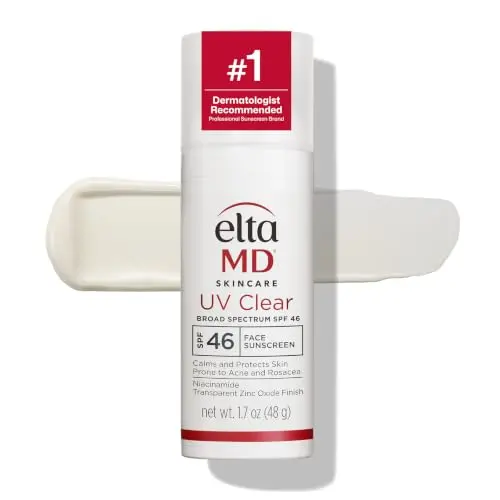
UV Clear SPF 46 – Lightweight Face Protection for Breakout-Prone Skin
A lightweight, oil-free face sunscreen built on transparent zinc oxide with niacinamide to help even out tone. Non-comedogenic and fragrance-free, it’s designed for acne-prone, rosacea-prone, and sensitive skin, and it dries without leaving heavy white residue.

Baby Bum SPF 50 Mineral Lotion – Gentle Face and Body Protection
A mineral sunscreen lotion with zinc oxide, coconut oil, shea butter, and cocoa butter, formulated for babies and kids but gentle enough for sensitive adult skin. Fragrance-free, dye-free, and made without octinoxate and oxybenzone.

Anthelios Melt-In Milk SPF 100 – High-SPF Face and Body Coverage
A fast-absorbing SPF 100 face and body sunscreen for skin that burns easily, formulated without oxybenzone and octinoxate. It blends without a heavy white cast, works under makeup, and stays water resistant for 80 minutes.

Original SPF 30 – Clear-Finish Sunscreen for Deeper Skin Tones
A moisturizing SPF 30 face and body lotion that dries completely clear, made with avocado oil, jojoba oil, cacao, and sunflower seed oil. Fragrance-free and free of oxybenzone and octinoxate.

Protect + Hydrate SPF 60 – Moisturizing Body Sunscreen
A weightless SPF 60 body and face lotion with prebiotic oat that hydrates while it protects. Oil-free, paraben-free, and water and sweat resistant for 80 minutes.

Ultra Sheer Dry Touch SPF 45 – Matte Finish, Two-Bottle Pack
A lightweight SPF 45 lotion with a smooth, matte dry-touch finish and Helioplex broad spectrum protection. Oil-free, non-comedogenic, oxybenzone- and PABA-free, and water resistant for 80 minutes.
How We Evaluated These Sunscreens in Pregnancy
We didn’t run lab SPF verification or dermatologist-supervised patch testing on a panel. What we did: cross-referenced 9 sunscreen formulas from 8 distinct brands across five decision axes – filter type, ingredient and irritant load, finish and white-cast behavior, water resistance, and how realistic each formula is to reapply daily. We triangulated published specifications and active-ingredient lists against aggregated owner feedback where available, then mapped each formula to representative buyer profiles for pregnancy-era skin: reactive, acne-prone, deeper tones, and long outdoor days. Labels like ‘mineral,’ ‘sensitive-skin,’ and ‘fragrance-free’ get used loosely, so we checked them against the actual ingredient lists rather than taking the front of the bottle at face value.
The scoring framework weighted real-world fit (70%) – how well a formula works for the person most likely to buy it – against feature differentiation (30%) – what makes one option meaningfully different from the next. We have no commercial relationship with any of the brands here, and recommendations track fit and differentiation rather than brand preference. If you want one formula that covers the basics without a lot of decisions, the Sensitive Mineral SPF 50 is the straightforward answer; if you’d rather your sunscreen double as a tinted base, the Anthelios Tinted Mineral SPF 50 is the better fit.
One honest limit: ingredient lists and finish descriptions tell you a lot, but they can’t tell you how your own skin will react next month. Patch test anything new on your inner arm first, and treat this guide as a shortlist rather than a prescription.
How to Choose the Right Sunscreen in Pregnancy
1. Mineral vs. Chemical Sunscreen During Pregnancy
The mineral-versus-chemical question is where most people start, and it’s worth understanding what the split actually means. Mineral filters sit on top of the skin and deflect both UVA and UVB rays. Chemical filters absorb UV and convert it to heat. Neither approach is inherently unsafe, but many people lean toward mineral formulas during pregnancy because the actives stay on the skin’s surface and the ingredient list tends to be shorter.
That said, mineral isn’t automatically gentler. Zinc oxide can feel thick, and titanium dioxide is the usual culprit behind a white cast. If you have deeper or oilier skin, an all-mineral formula you never actually wear is worse than a well-tolerated non-mineral one you’ll reapply. If you want the mineral route with the fewest surprises, the Blue Lizard Sensitive Mineral SPF 50 is the most forgiving place to start.
2. Ingredient Load: Why Fragrance-Free Sunscreen Matters More Now
Fragrance is the most common cause of contact reactions in sunscreen, and it’s the first thing to cut if your skin has become more reactive. Oxybenzone, octinoxate, and parabens are the other names people scan for, and several formulas in this guide are explicitly free of all three.
Don’t stop at the actives. Alcohol can sting, heavy silicones can trigger congestion, and a short ingredient list is simply easier to audit. If you’re going to be reading labels for months, that’s a real advantage.
3. Face Sunscreen vs. Body Sunscreen: Where People Get Stuck
Most people end up needing two formulas. A face sunscreen has to layer under or instead of makeup, handle a tinted finish, and not slide off by noon. A body sunscreen has to be pleasant enough in texture that you’ll use a generous amount every time rather than rationing it.
If you want one bottle that does both, the Anthelios Melt-In Milk SPF 100 is built for exactly that, at a premium tier. If you’d rather split the job, a tinted mineral face formula plus a lightweight body lotion is the more common setup.
4. Finish, White Cast, and the Habit of Reapplying
The best sunscreen is the one you actually reapply. That sounds glib, but finish is the deciding factor for most people. A cast, greasiness, and pilling under makeup are the three reasons a bottle gets abandoned by week two.
If white cast is your blocker, a tinted formula with iron oxides offsets it, and a clear-drying formula avoids it altogether. If greasiness is the blocker, look for oil-free and dry-touch language. And if pilling is the issue, give each layer a minute to set before the next one.
5. What Sunscreen Price Tiers Actually Buy You
Price separates less than the marketing suggests. Entry-level formulas cover broad spectrum protection, water resistance, and a fragrance-free label perfectly well – the tradeoff is usually texture and shade range. Mid-range buys better cosmetic elegance and more careful formulation. If you’re shopping on a budget, the CeraVe Tinted Mineral SPF 30 is the strongest low-cost face option in this guide.
Premium pricing mostly buys a better finish, a wider tint range, or a specific filter set you can’t find cheaper. It doesn’t buy more protection – SPF 50 is SPF 50 whether it costs a little or a lot.
Frequently Asked Questions
1. Is mineral sunscreen better during pregnancy?
Not automatically, but it’s the more common starting point. Zinc oxide and titanium dioxide stay on the surface of the skin rather than being absorbed, and mineral formulas tend to have shorter ingredient lists with fewer fragrance and preservative additions. That combination is why a lot of people switch to mineral once they’re pregnant.
The catch is adherence. A thick formula that leaves a white cast or pills under makeup is one you’ll stop using, and inconsistent use is the bigger risk. If you’ve tried mineral and hated it, a well-formulated non-mineral sunscreen you’ll actually reapply is a reasonable choice – and worth a conversation with your OB or midwife.
2. What's the difference between Blue Lizard Sensitive Mineral SPF 50 and La Roche-Posay Anthelios Tinted Mineral SPF 50?
Both are 100% mineral and fragrance-free, so the split comes down to format and finish. The Blue Lizard Sensitive Mineral SPF 50 is a body-first lotion with water resistance and a soothing aloe base; it’s the better value for daily full-body coverage, but it takes real rubbing in and will leave a cast on deeper skin.
The Anthelios Tinted Mineral SPF 50 is a face product with four shades, a blendable tint that doubles as a makeup base, and far more cosmetic elegance. It’s also the pricier of the two. Choose Blue Lizard for body and beach days, La Roche-Posay for a face routine you’ll actually keep up with.
3. CeraVe Tinted Mineral SPF 30 vs. EltaMD UV Clear SPF 46 – which is right for acne-prone skin?
Both are built for reactive, breakout-prone skin, but they solve slightly different problems. The CeraVe Tinted Mineral SPF 30 is 100% mineral, adds ceramides, niacinamide, and hyaluronic acid, and gives you a sheer tint to offset white cast – all at an affordable tier. It’s the better everyday pick if your skin is dry or barrier-compromised.
The EltaMD UV Clear SPF 46 is oil-free and non-comedogenic with transparent zinc oxide, and it’s the more comfortable wear on genuinely oily skin. It costs more for a smaller bottle, but the finish is lighter and the niacinamide is doing more visible tone work.
4. Do I need a separate face sunscreen if I'm using a body lotion with SPF?
Often yes, and it’s less about protection than about texture. Body sunscreens are formulated to spread over large areas, which usually means heavier emollients and a slower set. That’s fine on your arms and miserable on your face by mid-morning, especially under makeup.
A dedicated face sunscreen will be lighter, more likely to carry a tinted finish, and far less likely to pill. If you want one bottle, look for a formula explicitly labeled for both face and body, ideally with a melt-in milk texture.
5. How often should I reapply sunscreen, and does pregnancy change that?
Reapply every two hours, and sooner – every 80 minutes – if you’re swimming or sweating heavily. Water resistance claims are measured in minutes, not hours, and a towel-dry resets the clock. Pregnancy doesn’t change the reapplication math, but it can change what’s at stake: pigmentation changes like melasma are more common during pregnancy, and those are driven by UVA exposure rather than visible sunburn.
A higher SPF is not a substitute for reapplying. Pick a formula you don’t mind putting on three times a day.
Final Verdict
For most people shopping this category, the Blue Lizard Sensitive Mineral SPF 50 is the answer. It’s all-mineral, fragrance-free, and hypoallergenic – the three boxes most shoppers are trying to tick – and it’s affordable enough that you’ll use a proper amount instead of rationing it.
If you want a tinted face formula you’ll wear daily, the La Roche-Posay Anthelios Tinted Mineral SPF 50 is the better fit, with real shade options and a makeup-friendly finish. On a tighter budget, the CeraVe Tinted Mineral SPF 30 covers similar ground for less. And if breakouts are what sent you shopping in the first place, try the EltaMD UV Clear SPF 46.
Whatever you land on, buy the one you’ll reapply without thinking about it. That’s the whole game.
