
Best Sunscreens For Older Skin – 2026 Reviews

Older skin doesn’t need a completely different sunscreen ritual, but it usually benefits from a different set of priorities. Moisture retention, barrier support, and a finish that doesn’t settle into fine lines matter more than ever. The wrong formula can feel tight by lunch or leave a chalky cast that makes you skip reapplying.
That’s why the best sunscreen for older skin isn’t simply the highest SPF on the shelf. We looked at how each formula balances daily hydration, sensitivity, and cosmetic elegance, especially for skin that may be drier, thinner, or more reactive. Mineral versus chemical filters, tinted versus untinted, and lotion versus serum formats all change the experience.
This is a cross-brand survey, not a single-brand pitch. Below you’ll find options that range from mineral tinted formulas to lightweight serums, with clear guidance on which one suits different mature-skin routines.
Best Sunscreens for Older Skin – 2026 Reviews

Sun Age Defense Face Sunscreen SPF 50 – Hyaluronic Acid Daily Defense
A daily facial sunscreen built around hydration and antioxidant support, with an invisible finish designed to layer under makeup. The formula pairs broad-spectrum SPF 50 protection with hyaluronic acid and five antioxidants for a comfortable mature-skin routine.
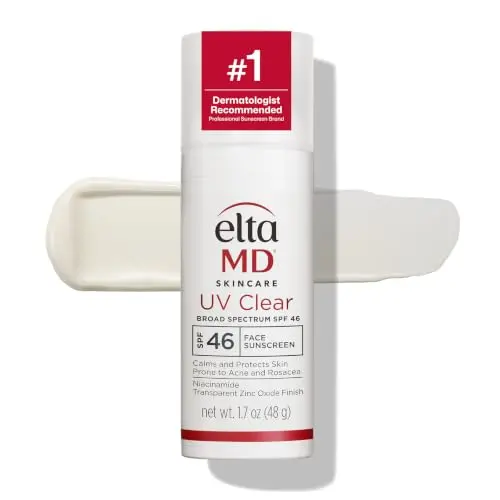
UV Clear Untinted SPF 46 – Calming Zinc Oxide Face Sunscreen
A lightweight zinc oxide sunscreen designed for sensitive, acne-prone, and rosacea-prone skin. It combines broad-spectrum SPF 46 protection with niacinamide and an oil-free, non-comedogenic formula that aims to calm skin while helping with tone.

Anthelios Tinted Mineral SPF 50 – Lightweight Glow for Sensitive Skin
A 100% mineral tinted face sunscreen with broad-spectrum SPF 50 protection and a blendable tint designed to leave a healthy glow rather than a white cast. It is positioned for sensitive skin and includes antioxidant Cell-Ox Shield technology.

AM Daily Facial Moisturizer SPF 50 – Barrier-Friendly Morning Hydration
A daily face moisturizer with broad-spectrum SPF 50, built with zinc oxide, hyaluronic acid, niacinamide, and three essential ceramides. It is designed to hydrate, support the skin barrier, and leave a non-greasy finish.

Toleriane Double Repair UV SPF 30 – Ceramide-Rich Daily Moisturizer
A daily face moisturizer with broad-spectrum SPF 30, formulated with prebiotic thermal water, ceramide-3, niacinamide, and glycerin. It is designed to restore comfort and support the skin barrier for all skin types, including sensitive skin.

Tinted Sunscreen Mineral SPF 30 – Sheer Glow With Ceramides
A 100% mineral tinted face sunscreen with SPF 30, formulated with zinc oxide, titanium dioxide, iron oxides, niacinamide, hyaluronic acid, and three essential ceramides. It is designed to blend into a range of skin tones while leaving a healthy glow.

Ultra Sheer Sunscreen Serum SPF 60 – Weightless Makeup-Ready Protection
A lightweight facial sunscreen serum with broad-spectrum SPF 60, designed to hydrate, prime, and protect in one step. It is fragrance-free, non-comedogenic, and water-resistant for up to 80 minutes.

No Cast Just Glow Collagen SPF 50 – K-Beauty Glow With Peptides
A Korean skincare-inspired facial sunscreen with SPF 50, collagen, peptides, cica, niacinamide, hyaluronic acid, and ceramide. It is designed to hydrate and soothe while leaving a glowy, no-white-cast finish.

Ultra Sheer Dry Touch SPF 70 – High-Protection Matte Lotion
A high-SPF facial and body sunscreen lotion with broad-spectrum SPF 70 protection, a lightweight matte finish, and water resistance for up to 80 minutes. It is oxybenzone-free and formulated with vitamin E and Helioplex technology.
How We Evaluated These Sunscreens for Older Skin
We didn’t run lab SPF tests, patch tests, or long-term wear trials. What we did: cross-referenced 9 sunscreen models from 6 distinct brands across five decision axes – hydration and barrier support, finish and white-cast risk, filter type, sensitivity profile, and anti-aging extras. We triangulated published specifications, ingredient and filter lists, owner feedback where available, and use-case fit for mature-skin routines. We also audited how each formula is positioned for daily wear, makeup layering, and reapplication, since a sunscreen only helps if you’ll actually use it consistently. We weighed cosmetic elegance, because a formula that pills or feels sticky tends to get abandoned. We pressure-tested the logic against typical morning routines, including serum, moisturizer, and makeup layering.
The scoring framework weighted real-world fit for older skin (70%) – how well each formula supports daily moisture, comfort, and reliable sun protection – against feature differentiation (30%) – standout ingredients, tint options, and texture advantages. We mapped each pick against common mature-skin priorities: dryness, sensitivity, makeup layering, and reapplication. Texture and reapplication matter as much as the SPF number. We have no commercial relationship with any of the brands featured; recommendations track fit and differentiation, not brand preference. If you want a daily age-defense formula with hydration built in, the Sun Age Defense is your match; if sensitive or reactive skin is the main concern, UV Clear is the more targeted choice.
How to Choose the Right Sunscreen for Older Skin
1. What Older Skin Needs From a Daily Sunscreen
Older skin often has different priorities than teenage or oily-skin formulas: moisture retention, barrier support, and a finish that won’t emphasize fine lines or texture. A good daily sunscreen should feel comfortable enough to reapply, because consistency matters more than a single heroic application. Look for formulas that combine broad-spectrum protection with hydrating ingredients such as glycerin, hyaluronic acid, or ceramides.
If your skin is dry or sensitive, a moisturizing sunscreen can replace a separate daytime lotion. If you prefer a dedicated moisturizer first, choose a sunscreen with a lightweight finish that layers without pilling. The goal is a routine you’ll repeat, not a product that only works on paper.
2. Mineral vs. Chemical Filters for Mature Skin
Mineral sunscreens use zinc oxide or titanium dioxide and tend to suit reactive skin, but older skin can be less tolerant of a heavy or chalky finish. Chemical filters often feel lighter and more invisible, though some formulas may sting eyes or sensitive areas. Neither category is universally better; the right choice depends on your sensitivity profile and how the product sits under makeup.
If you want a mineral option with a softer finish, the Tinted Anthelios Mineral uses a blendable tint to offset white cast. If you prefer a lightweight chemical formula with a serum texture, the Ultra Sheer Sunscreen Serum is a strong starting point.
3. How to Avoid White Cast on Older Skin
White cast is most noticeable when mineral filters sit on top of dry or textured skin. A tinted formula can help, especially if the tint is flexible and not too warm or too dark. Iron oxides are the pigments that give tinted sunscreens their color and can also help mask the look of uneven tone.
Apply in thin layers and let each layer settle before adding more. If a tinted sunscreen looks too dark on its own, mix a small amount with an untinted formula or use it as a makeup primer. The Tinted CeraVe Mineral is a budget-friendly way to try this approach, though the shade range is more limited than premium tinted lines.
4. Hydration, Barrier Support, and Anti-Aging Extras
Ingredients matter more in a daily sunscreen than many buyers expect. Niacinamide can support tone and barrier function, while ceramides help reinforce the skin barrier. Hyaluronic acid and glycerin draw in moisture, which is especially useful if mature skin feels tight by midday. Antioxidants are a nice bonus for defending against environmental stress, though they should not replace reliable broad-spectrum coverage.
If you want one product to do more heavy lifting, choose a formula that pairs SPF with barrier-friendly ingredients. The AM Facial Moisturizer SPF 50 is a practical value pick; the Toleriane Double Repair UV leans harder into ceramide-rich hydration for dry or sensitive skin.
5. Lotion, Serum, or Tinted Sunscreen: Format Fit for Older Skin
Lotions are the most forgiving for dry skin and easy to apply generously. Serums feel lighter and work well under makeup, but they can be less moisturizing. Tinted sunscreens double as a light base and help with white cast, though shade matching is trickier. If your skin is very dry, a lotion or cream formula is usually the safer bet; if you dislike heavy textures, a serum is easier to live with.
Consider how you’ll reapply. A pump bottle is convenient at a desk, while a tinted formula may be harder to reapply over makeup without disturbing it. The best format is the one that fits your actual day.
6. Budget, Mid-Range, and Premium Sunscreen Tiers
Budget-friendly sunscreens can absolutely deliver solid daily protection, especially if you prioritize broad-spectrum coverage and a comfortable finish over luxury texture. Mid-range formulas often add barrier ingredients, better tint options, or more elegant layering. Premium picks tend to specialize: mineral-only formulas, sensitive-skin positioning, or cosmetically elegant finishes that make daily use easier.
Spend more only where it changes your consistency. If you’ll reapply a budget lotion every day, it’s a better choice than a premium formula you save for special occasions. For older skin, comfort and reapplication are the real luxury.
Frequently Asked Questions
1. Eucerin Sun Age Defense vs. EltaMD UV Clear: Which is better for older skin?
They solve different problems. Eucerin Sun Age Defense leans into hydration and antioxidant support, with an invisible finish that suits normal-to-dry older skin. EltaMD UV Clear is more targeted at sensitive, acne-prone, or rosacea-prone skin, with niacinamide for tone support. If your main concern is daily moisture and age-defense, go with the Sun Age Defense. If reactivity, breakouts, or calming care matter more, UV Clear is the better fit.
2. La Roche-Posay Anthelios Tinted vs. CeraVe Tinted Sunscreen: Which tint is more versatile?
The Anthelios Tinted Mineral has a more polished finish and a flexible tint that works well as a makeup base, but the shade range is limited. CeraVe Tinted is more budget-friendly and includes ceramides and niacinamide, though the tint can run dark or greasy. If you want a refined glow and don’t mind spending more, Anthelios is the more versatile cosmetic pick. If you want a lower-cost mineral option with barrier ingredients, CeraVe Tinted is the practical choice.
3. Do older-skin sunscreens need hyaluronic acid or ceramides?
Not every formula needs both, but they help. Hyaluronic acid supports hydration, while ceramides reinforce the skin barrier and help reduce the feel of moisture loss. If your skin feels tight or dry by midday, a formula with one or both is worth prioritizing. If your skin is oily or you prefer a serum texture, you can skip the richer cream and choose a lighter formula with niacinamide instead.
4. Should older skin use a tinted sunscreen every day?
A tinted formula is optional, but it can be useful. The tint helps offset white cast, evens the look of tone, and can double as a makeup primer. The catch is shade matching and reapplication over makeup. If you find a tint that blends well, it can simplify your routine. If not, an untinted formula plus a separate light base may be easier to live with.
Final Verdict
For most older-skin routines, the Sun Age Defense Face Sunscreen SPF 50 is the straightforward answer: it pairs daily hydration and antioxidant support with an invisible finish that layers well under makeup. If your skin is reactive or you want niacinamide in the formula, the UV Clear is the more targeted pick. If you prefer a tinted mineral option, the Anthelios Tinted Mineral gives you a blendable glow without a heavy white cast. And if you want the most budget-conscious barrier-friendly choice, the AM Facial Moisturizer SPF 50 gets you strong daily protection with ceramides and niacinamide. The common thread: choose the texture and ingredient profile you’ll actually reapply, because consistency is what protects older skin over time.
